
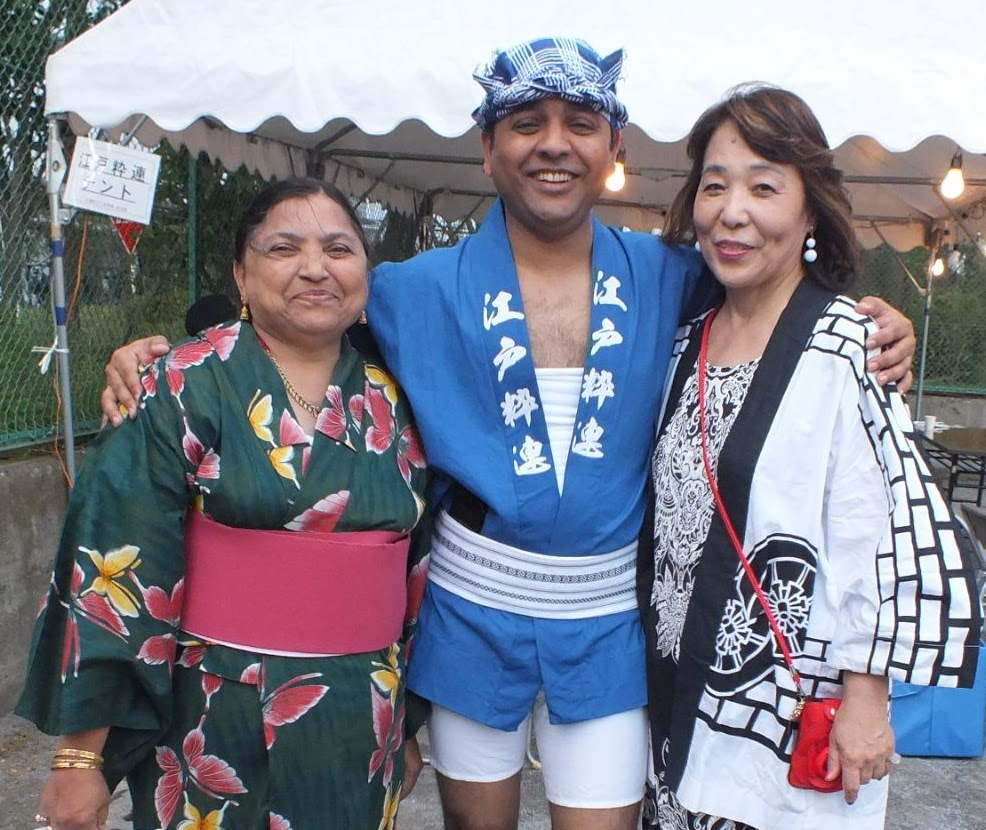
Dr. Shabana Parvez, MD, FACEP, US Bureau Chief of The Desi Buzz and founder of Arlington Integrative Medical Associates (AIMA) and Babies4.us, sat down for an exclusive and inspiring conversation with Mrs. Rekha Sharad Puranik, a self-made entrepreneur, women’s empowerment advocate, cultural ambassador, and the founder of REKA Indian Home Food Restaurant in Japan. From a small village in Maharashtra to the bustling streets of Tokyo, Rekha’s journey is one of grit, grace, and determination. In this candid interview, she shares her remarkable story — from empowering women through skill training in India to building a culinary bridge between two nations, and raising a son who would go on to become a global leader and Japan’s first Indian-origin MLA.
Check out other interviews: https://thedesibuzz.com/category/interviews-editorial/
Watch the interviews on YouTube: https://www.youtube.com/@TheDesiBuzz

Dr. Shabana Parvez: Today on The Desi Buzz Show, we are fortunate to welcome an extraordinary woman whose life is an inspiring story of courage, struggle, self-reliance, and selfless service. Mrs. Rekha Sharad Puranik was born near Ambarnath, Maharashtra. For many years in India, she trained hundreds of women and school-dropout youth in sewing and embroidery, making them self-reliant. Subsequently, she made a fresh start in Japan and established REKA Indian Home Food Restaurant in Tokyo, where she introduces not only the traditional flavors of Indian homes but also Indian culture and traditions. She is also the proud mother of Dr. Yogendra Puranik ‘Yogi’, Japan’s first elected legislator of Indian origin, an educator, administrator, and global thinker. Behind every successful person stands an inspiring figure, and today we honor that great mother who shaped a global representative of India.

Early Life and Personal Journey
Dr. Shabana Parvez: Mrs. Rekha ji, a warm welcome to The Desi Buzz Show. Your journey from a small village in Ambarnath to earning a place among India’s esteemed entrepreneurs in Japan has been incredibly inspiring. When you look back at your life, what feelings come to your mind?
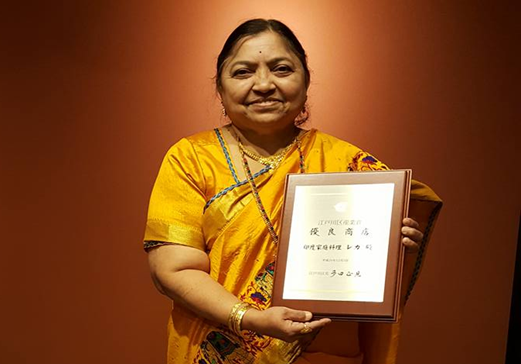
Mrs. Rekha Sharad Puranik: When I look back at my life, the first feeling that comes is one of gratitude—towards God, my parents, my family, and all those people who helped me. It was not easy to move forward amidst struggles after coming from a simple family, to empower women, and then to make a fresh start in a country like Japan. But every difficulty taught me something new. Today, when people appreciate our REKA restaurant and the promotion of Indian culture, I feel that years of hard work have paid off. The greatest satisfaction is that my life’s journey has become an inspiration not just for me, but for many others.
Dr. Shabana Parvez: You started working at a young age while shouldering family responsibilities. Despite difficult circumstances, you never gave up. Where did you find the inspiration to keep moving forward?
Mrs. Rekha Sharad Puranik: My biggest inspiration was my family and the desire to be self-reliant. I always believed that difficulties come not to stop us, but to make us stronger. When family responsibilities fell on my shoulders, giving up was not an option. Hard work, honesty, and positive thinking always propelled me forward. I believed that if I could stand on my own feet, I could also do something good for my children and society. This thought kept energizing me in every difficult situation, and it still guides me today.
Dr. Shabana Parvez: What lessons from your childhood still guide your life today?
Mrs. Rekha Sharad Puranik: My parents taught me two things above all—never back down from hard work and never abandon humanity. Our home had limited resources, but we were rich in values. We were taught that honesty, discipline, and helping others are the greatest wealth. I still follow those principles today. Whether in business or personal life, I strive to treat every person with respect and warmth. I believe that trust and good relationships are more important than money, and that is life’s greatest success.
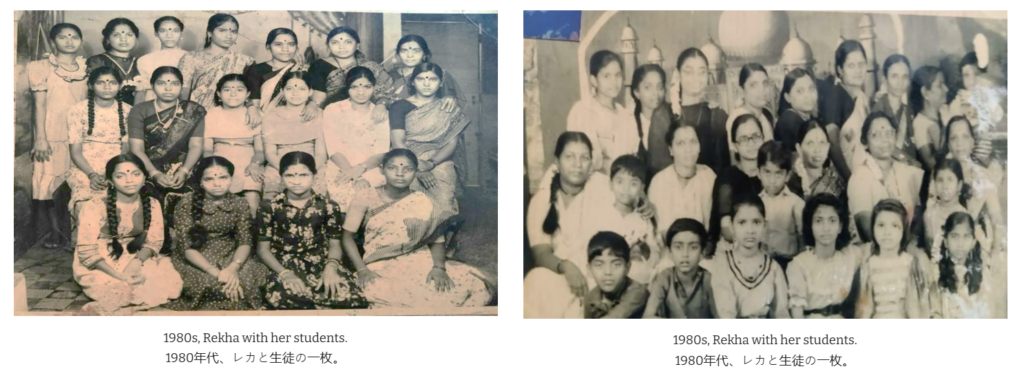
Dr. Shabana Parvez: Later, you established a tailoring training institute where hundreds of women and school dropouts received training. Where did you draw the inspiration to make women self-reliant?
Mrs. Rekha Sharad Puranik: I saw in my own life that a financially capable woman can change the future of her entire family. Many talented women were left behind simply due to a lack of opportunities. So I started the tailoring training center so they could stand on their own feet and live with dignity. When a woman got her first job or source of income, the smile on her face was the greatest reward for me. Even today, I believe that the best way to help someone is to make them self-reliant. This same thought later became the inspiration in Japan to connect people through Indian culture and Indian food.
Motherhood and Shaping a Global Leader
Dr. Shabana Parvez: There is a very touching story that when your son Yogi was an infant, you would take him to your workplace and put him to sleep in a hammock between sewing machines while you worked. Would you share that memory with our viewers?
Mrs. Rekha Sharad Puranik: That time is still fresh in my eyes. To run the family, I had to work day and night, and there was no one to leave little Yogi with at home. So I would take him with me to the tailoring center. I would tie a cloth hammock between two sewing machines, put him to sleep there, and keep an eye on him while running the machines. Sometimes when he cried, I would stop work, pick him up, soothe him, and then start again. It was very difficult at that time, but today it feels that those very struggles became our family’s greatest asset.
Dr. Shabana Parvez: When did you first feel that Yogendra was different and that something extraordinary was going to happen in his life?
Mrs. Rekha Sharad Puranik: From a very young age, I began to sense that Yogi was different. He tried to understand everything and had a curiosity to learn something new from everyone. Besides studies, he had a special interest in sports, languages, and helping people. He didn’t just think about himself but always tried to find solutions to others’ problems. At that time, I became confident that if he got the right opportunities and good values, he would not only bring honor to his family but also to society and his country.
Dr. Shabana Parvez: Every parent makes many sacrifices for their children. What sacrifices did you make for Yogi’s education and to fulfill his dreams?
Mrs. Rekha Sharad Puranik: Like every mother, I placed my children’s future above my own comforts. Many times, I sacrificed my own desires and needs to spend on their education. I worked continuously for long periods so that their studies would never stop. I always explained to them the importance of honesty, discipline, and hard work, but also told them that it’s more important to be a good human being than just a successful one. When Yogi decided to pursue his dreams in Japan, instead of stopping him, I encouraged him. I believed that hard work and values would guide him in the right direction.
Dr. Shabana Parvez: Today, Dr. Yogendra Puranik is Japan’s first elected Indian-origin legislator and a respected global leader. How proud does this achievement make you feel? And what values do you think shaped his personality?
Mrs. Rekha Sharad Puranik: For a mother, what greater pride can there be than that her son is working not just for himself but for thousands of people? When I see him dedicated to education, society, India-Japan relations, and people’s problems, I feel immense satisfaction. But for me, his greatest achievement is not any position, but his humble nature and spirit of service. I think that honesty, diligence, discipline, respect for others, and a never-give-up attitude have shaped his personality. These are the values we tried to teach him since childhood.
Dr. Shabana Parvez: About 25 years ago, when Yogi decided to go to Japan, what was your first reaction as a mother?
Mrs. Rekha Sharad Puranik: To be honest, as a mother, my heart was very emotional. For the first time, my son was going so far, to an unknown country. There was also worry—new language, new culture, and life alone. But I never let my fears show in front of him. I just told him that wherever you are, don’t forget your values, work honestly, and make your country proud. Today, when I look back, I feel that decision was certainly difficult, but it changed the direction of his life and gave him a vast opportunity to serve society.
A New Beginning in Japan
Dr. Shabana Parvez: Later, you yourself came to Japan and established REKA Indian Home Food Restaurant. Where did you get the courage to start a new life in a completely new country?
Mrs. Rekha Sharad Puranik: I have always believed that wherever life takes us, we should carry our actions and values with us. When I came to Japan, I was not young, and everything was new—the language, culture, and lifestyle. But instead of seeing it as a challenge, I saw it as an opportunity. I believed that the taste of Indian home food and our culture would definitely reach people’s hearts. My son’s support, my family’s trust, and God’s grace gave me the courage to move forward. I never thought I was doing business in a foreign country; I simply thought I was sharing my home’s food with people.

Dr. Shabana Parvez: Starting a business abroad is not easy. What were the biggest challenges you faced in terms of language, culture, and customer expectations?
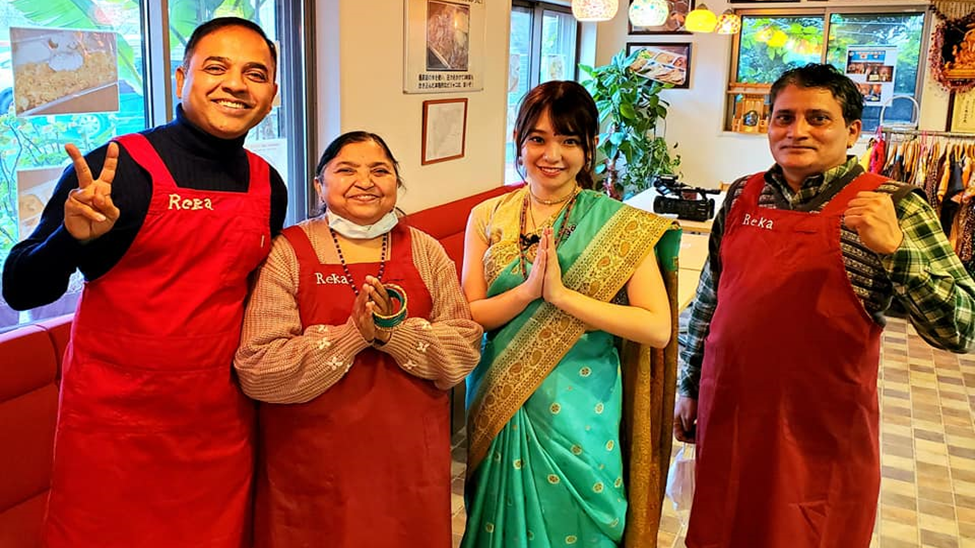
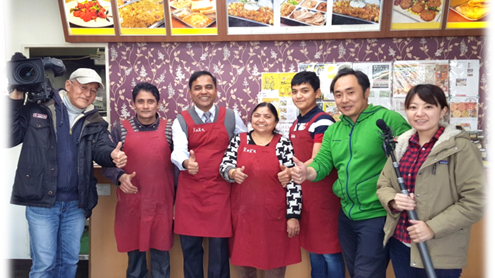
Mrs. Rekha Sharad Puranik: The biggest challenge was not the language, but winning people’s trust. Japanese customers value quality, cleanliness, punctuality, and consistency greatly. I had to understand their expectations and learn to provide service at that level. Initially, there were language difficulties too, but a smile and honesty are bigger than any language. I treated every customer like a guest in my own home. Gradually, people began to appreciate not only our food but also our warmth and Indian hospitality. That became the greatest strength of our restaurant.
Dr. Shabana Parvez: In Japan, people generally knew Indian food mainly as naan and butter chicken. How did you introduce them to traditional Indian home-style cooking?
Mrs. Rekha Sharad Puranik: I never tried to change people’s preferences. I gradually introduced them to the real home food of India. I cooked the same dishes that are prepared daily in Indian families—dal, vegetables, khichdi, poha, upma, traditional sweets, and food prepared with home spices. Along with that, I would share the story behind each dish and Indian culture. When people realized that this was not just food, but the flavor of family, health, and tradition, they embraced it wholeheartedly. Today, many of our Japanese customers consider Indian home food like their own family’s food—that is my greatest joy.

Dr. Shabana Parvez: Today, your restaurant is counted among Japan’s most prestigious Indian restaurants. What do you consider your biggest achievement over the past ten years?
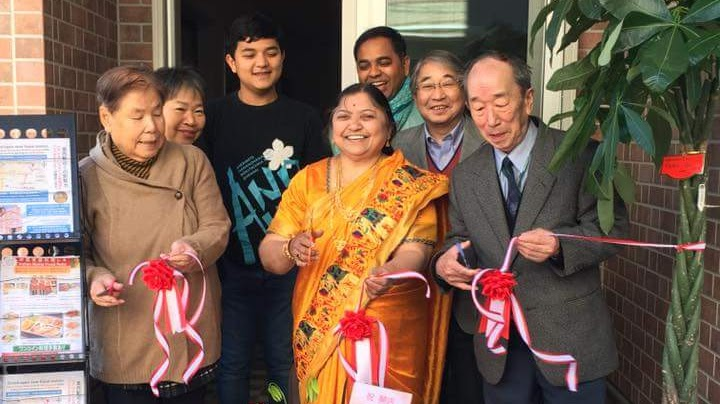
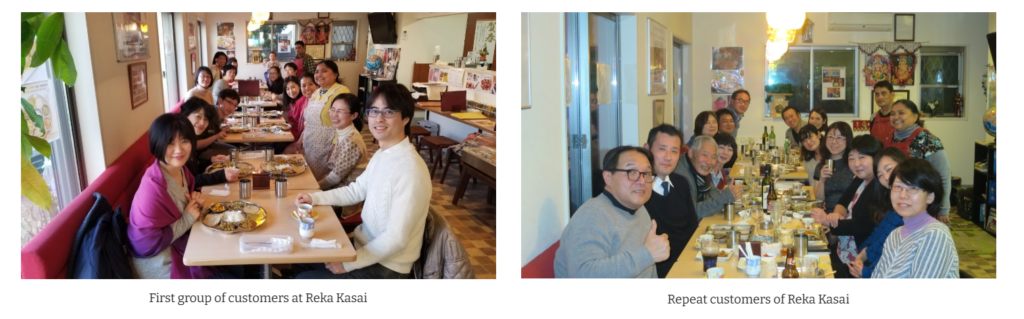
Mrs. Rekha Sharad Puranik: For me, the biggest achievement is not any award or fame. The greatest honor is that our customers have been coming to us with their families and friends for years and consider us part of their family. Our restaurant has not only served food but has acted as a cultural bridge between India and Japan. Indian festivals are celebrated here, culinary workshops are held, and many Japanese friends understand Indian culture up close. If my small effort has increased love, trust, and belonging between people of two countries, then I consider that the biggest achievement of my life.
Preserving Indian Culture Abroad
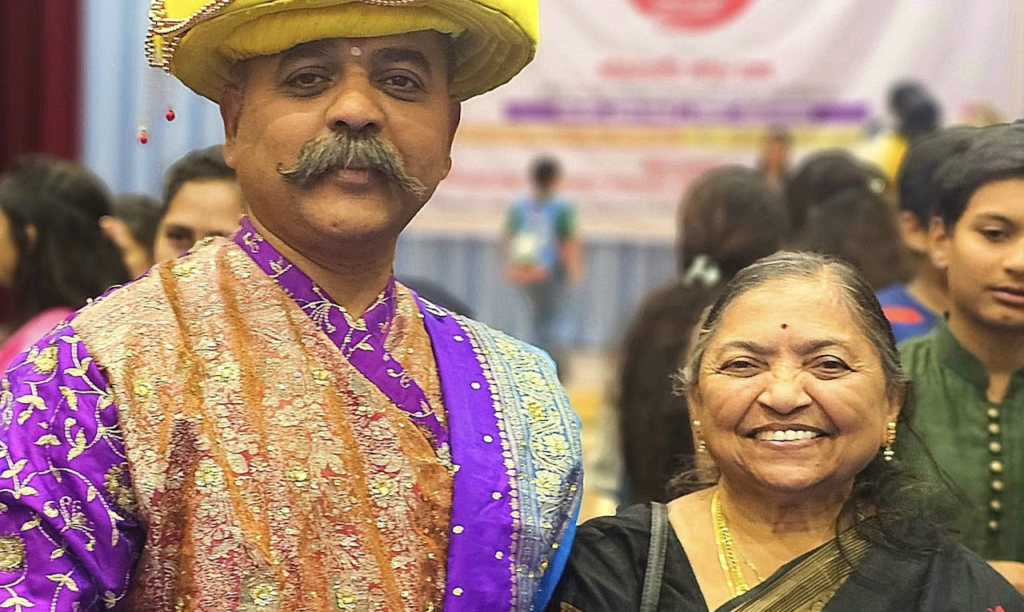
Dr. Shabana Parvez: Along with running a successful restaurant, you also organize cooking classes, saree workshops, Indian festivals, and numerous cultural events. Why is preserving Indian culture abroad so important to you?
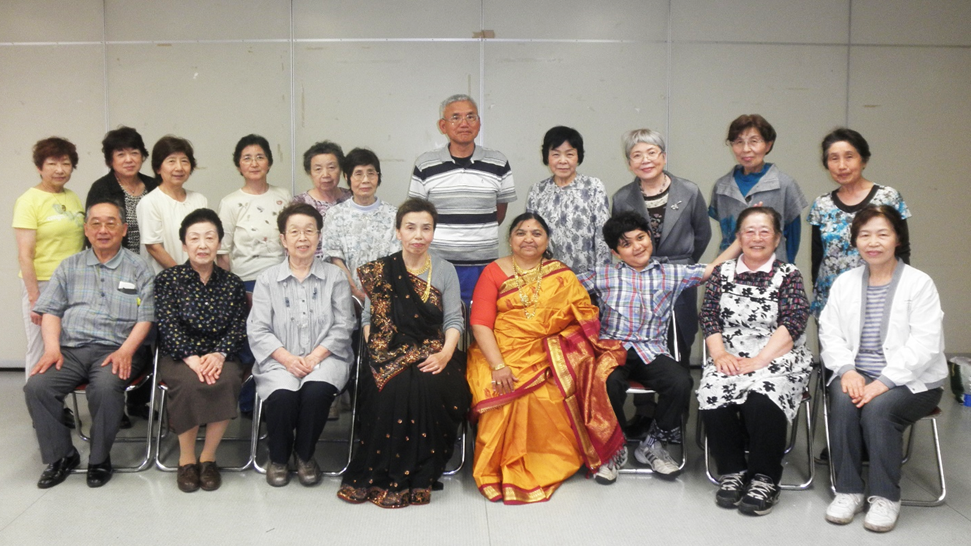
Mrs. Rekha Sharad Puranik: Culture is the identity of a person. When we live in another country, it is easy to forget our roots, but I believe that preserving one’s culture is a way of staying connected to one’s own self. Through our festivals and traditions, we not only strengthen our own identity but also introduce others to the richness of Indian culture. I want the coming generations to know that there is a heritage behind us that is ancient, diverse, and full of values. This is not just about nostalgia; it is about passing on our traditions to the next generation. Organizing cultural events is my small effort to keep this heritage alive.
Dr. Shabana Parvez: How do Japanese people respond to Indian traditions, festivals, and home-cooked Indian food?
Mrs. Rekha Sharad Puranik: Japanese people are very respectful towards other cultures. They don’t just appreciate Indian food, but also our festivals, the meaning behind our rituals, and the spirit of Indian hospitality. Initially, many people were hesitant about the spices, but when they understood that Indian spices are not just for taste but also for health, they started liking them. Today, many Japanese friends participate in Diwali and Holi celebrations, wear sarees, and enjoy our home-style food. The most beautiful thing is that they don’t just participate, but they also try to understand the deeper meaning behind them. This fills me with great satisfaction.
Dr. Shabana Parvez: According to you, what role should overseas Indians play in increasing India’s cultural soft power?
Mrs. Rekha Sharad Puranik: Overseas Indians are the ambassadors of India. Wherever we go, we should not only succeed in our careers but also introduce our country’s culture, language, and values to the world. We should explain the diversity, spirituality, and cultural heritage of India with pride. If each Indian living abroad introduces even a little bit of Indian culture to ten people, then that alone will be a great contribution. We should celebrate our festivals, teach our languages, and introduce Indian food, music, and art to the world. This is the true strength of India, and overseas Indians have the most important role in presenting it on the global stage.
Light-hearted Personal Questions
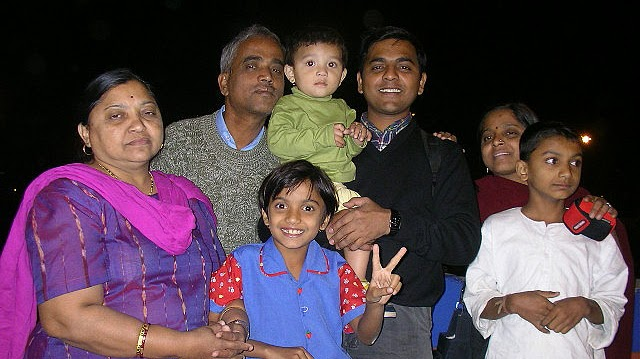
Dr. Shabana Parvez: What is Yogi really like at home? Is there something about him that most people don’t know?
Mrs. Rekha Sharad Puranik: People know him as a leader, educator, and speaker, but at home he is a completely ordinary person. He loves spending time with family, spending time with birds, and listening to old songs. One thing that perhaps very few people know is that no matter how busy he is, he calls me every day to ask about my health and the restaurant. Even today, when I give him some advice, he listens with the same seriousness as he did in childhood. This is his most beautiful quality.
Dr. Shabana Parvez: If Yogi had to cook dinner for you, what would you ask him to make? And how would you rate his cooking skills out of ten?
Mrs. Rekha Sharad Puranik: I would ask him to make simple Maharashtrian home food—hot varan-bhat (dal-rice), bhakri, a seasonal vegetable, and a little chutney. Since childhood, he has watched me work in the kitchen, so he has a good understanding of food. He can cook when he finds time. Now, when it comes to giving marks, I am a mother, so there will be a little bias! (laughs) I would give him nine out of ten. I would leave one mark so that he never stops learning.
Dr. Shabana Parvez: Who is more stubborn—you or Yogi?
Mrs. Rekha Sharad Puranik: (Smiling) To be honest, both of us are a little stubborn. The only difference is that my stubbornness is for my family and my principles, while Yogi’s stubbornness is for completing some good work. If he feels that some work is in the interest of society, he doesn’t back down easily. Perhaps this very stubbornness has brought him to this position today. But in the end, we both find a way through conversation. So I would say that more than our stubbornness, our trust and mutual respect are stronger.
Dr. Shabana Parvez: What habit of Yogi’s still reminds you of his childhood?
Mrs. Rekha Sharad Puranik: Yogi’s most endearing habit is his curiosity. As a child, he would ask “why?” and “how?” about everything. He would never accept anything without understanding it. That same habit is still there. Whether it is education, society, or politics, he tries to understand every subject deeply. One more thing hasn’t changed—he still reads new books, takes notes, and is always trying to learn something. Seeing him, I still remember that same curious little child.
Dr. Shabana Parvez: If you had to describe Yogi in only three words, what would they be?
Mrs. Rekha Sharad Puranik: If I had to introduce Yogi in just three words, I would say—honest, karmayogi (dedicated to action), and sensitive. Honest because he has never compromised on his principles. Karmayogi because he works tirelessly for society and people. And sensitive because the pain of any person touches him deeply. For me, his biggest identity is not his position or achievements, but his being a good human being. As a mother, this is my greatest joy and my greatest pride.
Women’s Empowerment and Life Messages
Dr. Shabana Parvez: Through your actions, you have inspired thousands of women. What message would you like to give to mothers who dream of a bright future for their children despite financial hardships?
Mrs. Rekha Sharad Puranik: I would like to tell every mother that circumstances are never bigger than your dreams. If there is less money at home, give your children good values, the importance of education, and the habit of hard work. This is the greatest wealth. Teach children not just comforts, but also how to struggle. A mother’s trust and encouragement can become the greatest strength in a child’s life. Never think that you can’t do anything. If a mother makes a firm resolve, she can change the future of the entire family. Have faith in your children and also in yourself.
Dr. Shabana Parvez: What advice would you give to young women entrepreneurs who think “it’s too late now”?
Mrs. Rekha Sharad Puranik: I myself came to Japan at a stage in life when most people are afraid to start anew. So I can say with full confidence that dreams have no age. The best time to start is when you make the decision. Start with small steps, keep learning, and don’t fear failure. Every new experience makes you stronger. If your purpose is clear, your work is honest, and you win people’s trust, success comes sooner or later. Never think it’s too late—as long as you have courage, opportunities exist.
Dr. Shabana Parvez: Many people believe that higher education is necessary for success, but your life says something else. According to you, what is the true secret of success?
Mrs. Rekha Sharad Puranik: Education is certainly very important, and I always encourage young people to acquire good education. But a degree alone is not a guarantee of success. In my experience, the true secret of success is—honesty, consistent hard work, discipline, and winning people’s trust. If you do your work with passion and dedication, never give up the desire to learn, and respect every person, success comes to you on its own. Remaining a lifelong student is the greatest education. Learning should never stop.
Dr. Shabana Parvez: What message would you like to give to young Indians living abroad who want to build successful careers globally while staying connected to their roots?
Mrs. Rekha Sharad Puranik: I would like to tell all young Indians that wherever you live, respect that country, adopt its language and culture, but never forget your roots. Stay connected to your mother tongue, your values, your festivals, and your family. This is your true identity. At the same time, contribute to the society that has given you opportunities. When you carry Indian values and global work ethics together, you become not just successful for yourself, but a strong bridge between both countries. This is true global success.
Legacy and Conclusion
Dr. Shabana Parvez: Looking at this wonderful journey of your life—from a tailoring instructor to entrepreneur, cultural ambassador, and mentor—which achievement gives you the most satisfaction?
Mrs. Rekha Sharad Puranik: For me, the biggest achievement is not any award, position, or business success. The greatest satisfaction is that my work brought positive change in people’s lives. In India, hundreds of women changed their families’ lives by becoming self-reliant through my training. In Japan, I made a small effort to bring people of two countries closer through Indian food and culture. And as a mother, if my children have done something good for society, no happiness can be greater for me. When people say they got inspiration from my life, I feel that my life has been meaningful.
Dr. Shabana Parvez: How would you like future generations to remember Rekha Sharad Puranik—not just as Yogi’s mother, but as a woman who transformed countless lives?
Mrs. Rekha Sharad Puranik: Being recognized as a mother is a matter of pride for me, but I would like people to remember me as an ordinary woman who never gave up against circumstances. I want people to remember that even with limited resources, one can help others, empower women, and take one’s culture to the world. If my life inspires even one woman, one young person, or one family to move forward, that will be my greatest legacy. A person should be remembered not for themselves, but for the positive impact they left in others’ lives.
Dr. Shabana Parvez: Finally, what message would you like to give to viewers around the world about struggle, family values, women’s empowerment, and believing in your dreams?
Mrs. Rekha Sharad Puranik: I would like to tell all people around the world, especially mothers and youth, that difficulties will certainly come in life, but don’t let them become your destination. Family is the greatest strength in your life, so always cherish your relationships, values, and traditions. To women, I would say—believe in your potential, because when a woman moves forward, the entire family and society move forward. And my message to the youth is—dream big, work honestly, never stop learning, and wherever you are, enhance the respect for your country and culture. Success is meaningful only when it is accompanied by humility, service, and humanity.
Closing Remarks
Dr. Shabana Parvez: “Mrs. Rekha Puranik ji, thank you wholeheartedly for sharing your inspiring life journey with us today. Your story teaches us that true leadership begins with love, sacrifice, and service. From empowering women in India to enhancing the pride of Indian culture in Japan and nurturing one of the world’s most respected Indian-origin leaders, your life is a source of inspiration for millions. On behalf of The Desi Buzz Show, our heartfelt thanks. We wish you a bright future and continued success.”
Mrs. Rekha Sharad Puranik: hank you so much, Dr. Shabana. It was an honor to be here.